Published July 2, 2026
What to Expect During the Home Inspection Process

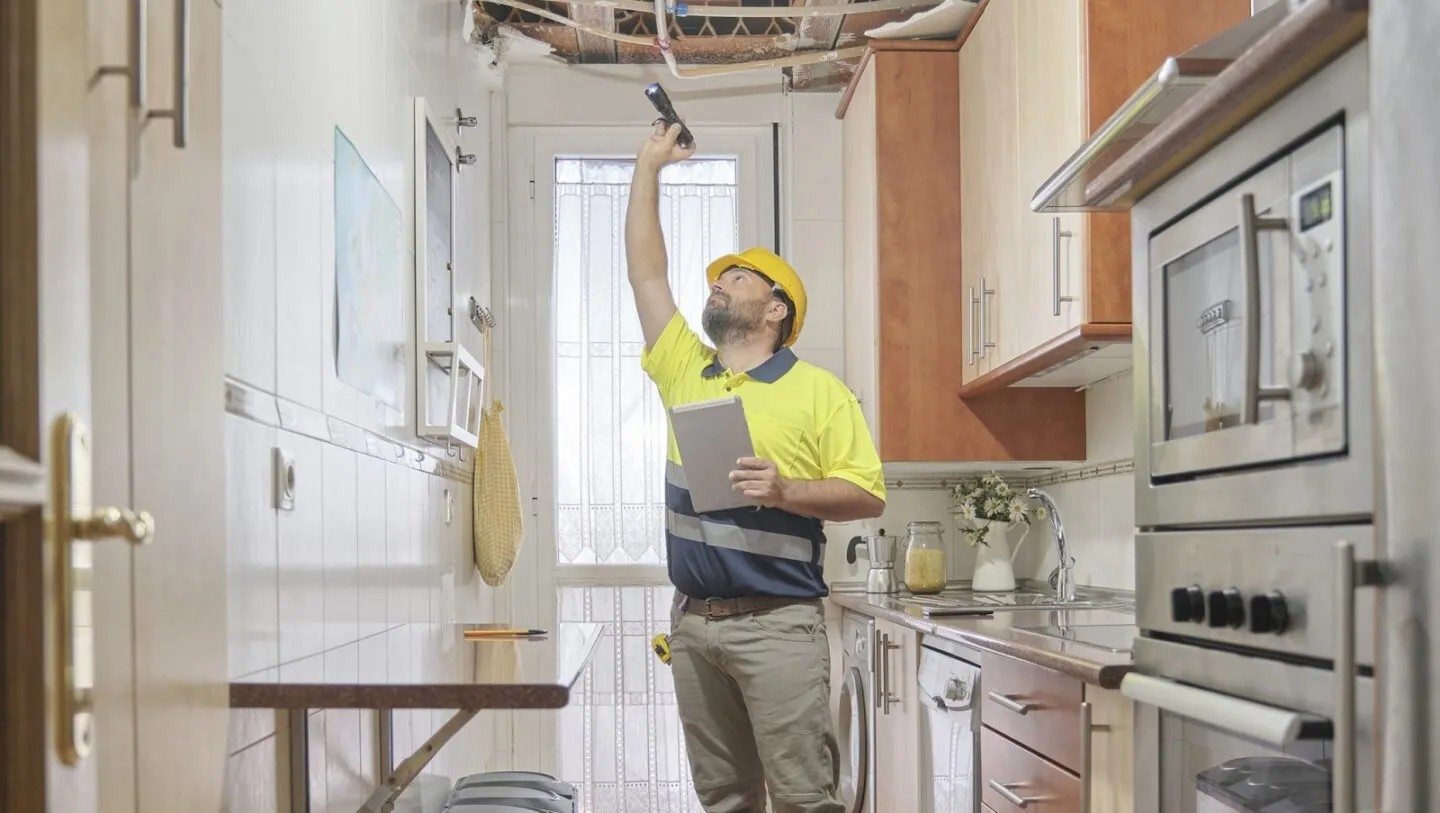
WHAT TO EXPECT DURING THE HOME INSPECTION PROCESS
A home inspection is one of the most important steps in the buying process. It gives buyers a deeper look at the condition of the home and helps everyone better understand what may need attention now or in the future.
For sellers, the inspection can also be a key moment in the transaction. Even a well-maintained home may have items come up, and knowing what to expect can make the process feel less stressful.
The goal of a home inspection is not to create panic. The goal is to gather information.
1. What Is a Home Inspection?
A home inspection is a visual review of the home’s major systems and overall condition. The inspector looks at accessible areas of the property and provides a written report with their findings.
This may include the roof, foundation, electrical system, plumbing, heating and cooling systems, attic, basement, crawl space, windows, doors, appliances, exterior, and more.
The inspection helps buyers understand the home beyond what they could see during a showing.
2. What a Home Inspection Does Not Cover
A home inspection is very helpful, but it is not a guarantee that every issue will be found. Inspectors can only evaluate what is visible and accessible at the time of inspection.
They usually do not open walls, move heavy furniture, take apart systems, or inspect areas that cannot be safely accessed.
Some concerns may require a specialist. For example, a buyer may choose to have additional inspections for sewer lines, radon, pests, mold, chimney, septic systems, wells, or structural concerns depending on the property.
"THE INSPECTION IS NOT ABOUT FINDING A PERFECT HOME. IT’S ABOUT UNDERSTANDING THE HOME YOU’RE BUYING."
3. Buyers Should Attend If Possible
If you are buying a home, attending the inspection can be very helpful. It gives you the chance to ask questions, understand how systems work, and hear the inspector explain certain findings in real time.
The written report is important, but it can feel overwhelming if you are seeing everything for the first time after the inspection is complete.
Being there helps you separate minor maintenance items from bigger concerns.
4. Sellers Should Prepare Before the Inspection
For sellers, preparation can help the inspection go more smoothly. Before the appointment, make sure utilities are on, access is clear, and major systems can be reached.
That may mean clearing space around the furnace, water heater, electrical panel, attic access, crawl space, and any appliances included in the sale.
It is also smart to handle obvious small repairs before listing when possible. Things like missing outlet covers, slow drains, loose handles, burnt-out bulbs, or disconnected downspouts may seem minor, but they can add length to an inspection report.
5. The Report May Look Intimidating
Inspection reports are often long and detailed. That does not automatically mean the home is in bad shape.
Inspectors are paid to document what they see, including safety concerns, defects, maintenance items, and general observations. Even newer or well-cared-for homes can have a long list of notes.
The important part is reviewing the report with context. Which items are major? Which are routine? Which may affect safety, financing, insurance, or long-term cost?
Your agent can help you understand how the findings fit into the bigger transaction.
6. Repairs and Negotiations Come Next
After reviewing the inspection report, buyers may have options depending on the terms of the purchase agreement. They may accept the home as-is, ask for repairs, request credits, renegotiate, or, in some cases, choose not to move forward.
Sellers can respond in different ways as well. They may agree to repairs, offer a credit, negotiate a different solution, or decline certain requests.
The goal is to find a reasonable path forward based on the condition of the home, the contract terms, and the priorities of both parties.
7. Not Every Issue Is a Dealbreaker
It is normal for inspections to uncover issues. Some may be simple maintenance items. Others may need further evaluation. A few may be serious enough to change how a buyer feels about the home.
The key is not to react to every item the same way.
A loose doorknob is not the same as an active roof leak. A dirty furnace filter is not the same as a failing HVAC system. Context matters, and so does cost.
The inspection gives buyers the chance to make a more informed decision, not necessarily a reason to walk away.
8. The Inspection Helps Everyone Move Forward With Clarity
Real estate transactions involve big decisions, and the inspection is one of the best tools for reducing uncertainty.
Buyers gain a better understanding of what they are purchasing. Sellers gain clarity on what concerns may need to be addressed. Both sides have an opportunity to work toward a solution with more complete information.
A good inspection process is not about fear. It is about transparency, preparation, and smart decision-making.
If you’re buying or selling a home, we can help you understand what to expect during the inspection process, how to prepare, and how to navigate the next steps with confidence.